Living in Ajijic: A Local's Guide to the Heart of Lake Chapala
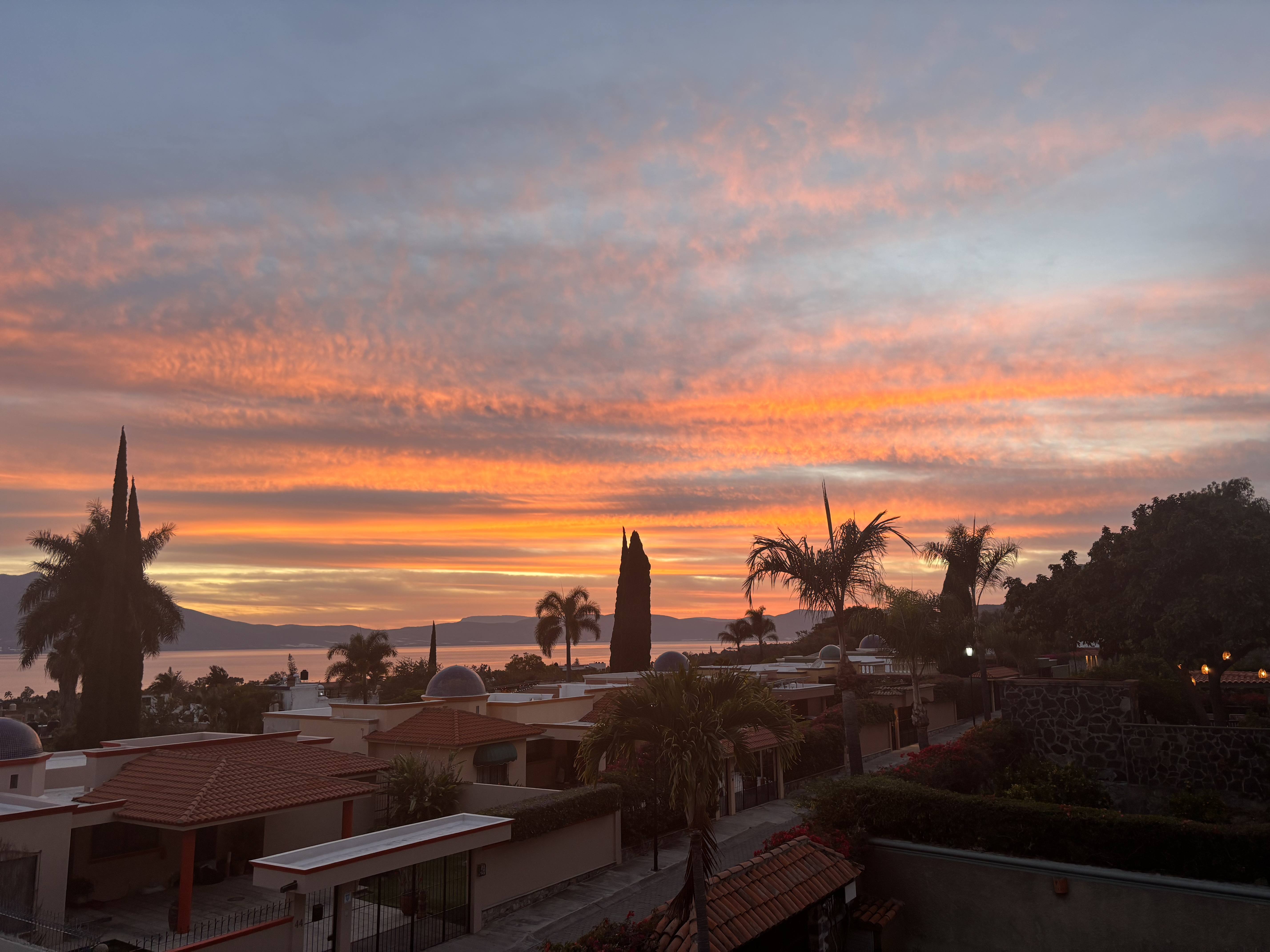
Ajijic is the cultural and social center of the Lake Chapala region — a lakeside village of cobblestone streets, art galleries, and one of the largest English-speaking expat communities in Mexico. If you've been researching a move to Lakeside, this is almost certainly the town you read about first. Here's what it's actually like to live and buy here, from someone who works this market every day.
A Pueblo Mágico on the Lake
Ajijic was designated a Pueblo Mágico by the Mexican government — a recognition reserved for towns with particular cultural and historic character. You feel it the moment you arrive: painted murals, narrow cobblestone streets, a lakefront malecón, and a calendar full of festivals, gallery walks, and markets. It is unmistakably a Mexican town, and at the same time one that has welcomed international residents for generations.
That blend is the whole appeal. You can buy fresh produce at the weekly tianguis, take a Spanish class, join the Lake Chapala Society, and find a restaurant in nearly any cuisine — all within a few walkable blocks.
The Climate Everyone Talks About
Ajijic sits at about 5,000 feet of elevation on the north shore of Mexico's largest lake. That altitude, combined with the moderating effect of the water, gives the region a mild, spring-like climate for most of the year — warm days, cool evenings, and a green rainy season from roughly June through October. It's a climate frequently described as one of the best in the world, and for a lot of people it's the single biggest reason they end up staying.
Neighborhoods and Where People Live
Ajijic isn't one single market. The village center puts you in walking distance of the plaza, restaurants, and the lake — the most sought-after and priciest area. The lake side of the carretera (the main road) carries a premium for proximity to the water. Up on the hillside above town, gated communities offer larger lots, mountain views, and more privacy, often with HOA amenities.
Just east and west of Ajijic, communities like Riberas del Pilar, San Antonio Tlayacapan, and San Juan Cosalá give you proximity to the village without the village price tag. For many buyers, the right move is Ajijic-adjacent rather than dead-center.
Cost of Living and Property Prices
Ajijic is generally the most expensive place to buy or rent along the corridor, simply because demand is highest here. That said, the overall cost of living remains well below what most North Americans are used to — groceries, dining, domestic help, and services all stretch a US or Canadian budget considerably further. What a home costs depends heavily on location, condition, and whether it's in a gated community, which is exactly where local guidance earns its keep.
Buying as a Foreign National
Foreigners can and routinely do own property in Ajijic. Because the town sits within the restricted zone near the lake, foreign buyers typically hold title through a bank trust (fideicomiso) or a Mexican corporation. It sounds more complicated than it is — the process is well-worn here after decades of international buyers. I hold a Diplomado en Derecho Inmobiliario and guide clients through the legal side as part of the purchase.
Renting First
I always tell people: there is no faster way to learn whether Ajijic is right for you than to rent here first. A long-term rental lets you live through a rainy season, test different neighborhoods, and get a feel for daily life before you commit capital. Rentals are a major part of my business, and good long-term inventory moves fast — much of it never makes it online.
Thinking about Ajijic? Whether you want to buy, invest, or rent while you decide, I'm glad to help — in English or Spanish. Reach me on WhatsApp and I'll answer your questions directly.
Ajijic Real Estate — Frequently Asked Questions
Is Ajijic a good place to live or retire?
For many North American retirees, yes. Ajijic combines a temperate year-round climate, a large and welcoming expat community, walkable village life, and a low cost of living relative to the US and Canada — all about 35 minutes from a major international airport. Whether it's right for you depends on what you want day to day, which is the conversation I have with every client before we look at property.
What is the climate like in Ajijic?
Ajijic sits at roughly 5,000 feet (about 1,520 meters) on the shore of Lake Chapala, which gives it a mild, spring-like climate for most of the year. Days are warm, nights are cool, and the rainy season runs roughly June through October with afternoon showers. The region is often cited as having one of the most temperate climates in the world.
Can foreigners buy property in Ajijic?
Yes. Foreign nationals can own property in Ajijic through a bank trust (fideicomiso) or a Mexican corporation. The process is well-established here given decades of international buyers. I hold a Diplomado en Derecho Inmobiliario and can walk you through the legal steps for your specific situation.
Is Ajijic expensive compared to the rest of Lake Chapala?
Ajijic is generally the most expensive community in the corridor to buy or rent, because it has the most developed expat infrastructure and the strongest demand. Neighboring communities like Riberas del Pilar, San Antonio, Chapala, and Jocotepec typically offer better value for buyers who don't need to be in the village center.
Are there long-term rentals available in Ajijic?
Yes, and they're in steady demand from the expat and snowbird population. Long-term rental inventory moves quickly and not everything is listed online. I manage rentals across the Lakeside corridor — message me with your dates, budget, and preferred area and I'll send what's available.
How far is Ajijic from the Guadalajara airport?
About 38 kilometers, or roughly 34–40 minutes by car on the toll road. Guadalajara's airport (GDL) has non-stop flights to 25 US cities and 4 Canadian cities, which is a big part of what makes Ajijic so practical for North Americans.